Exploring Therapeutic Pathways
I believe in a diverse approach to well-being. I use a variety of counseling activities and psychoeducational techniques to support my clients journey toward mental clarity and emotional resilience
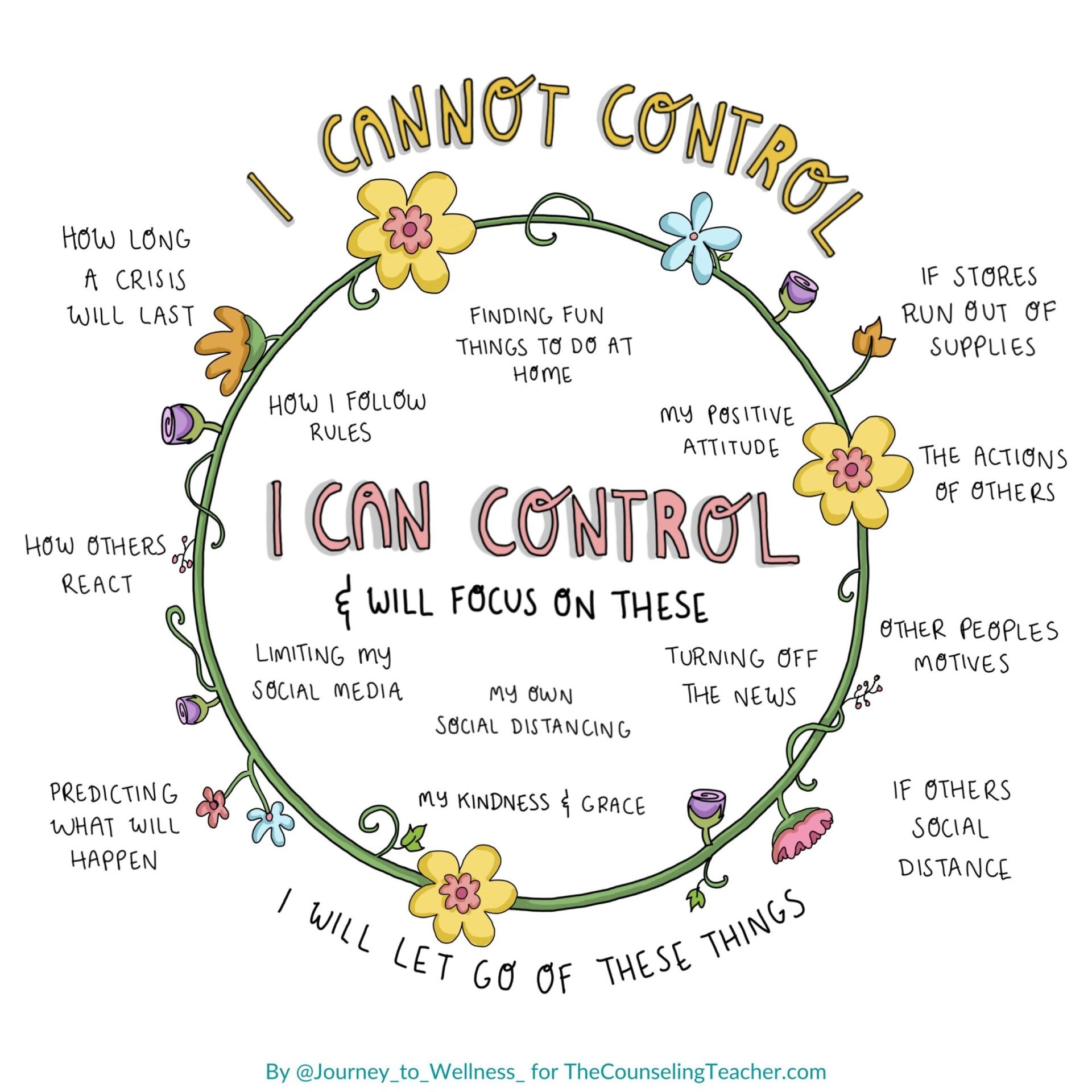

Cognitive Behavioral Therapy
Cognitive Behavioral Therapy (CBT) is a widely recognized and effective approach that helps you identify and challenge unhelpful thought patterns and behaviors.



Practicing Mindfulness
Mindfulness practices help you stay present and aware, reducing stress and enhancing emotional regulation. Explore how incorporating mindfulness into your daily life can bring greater peace and focus.

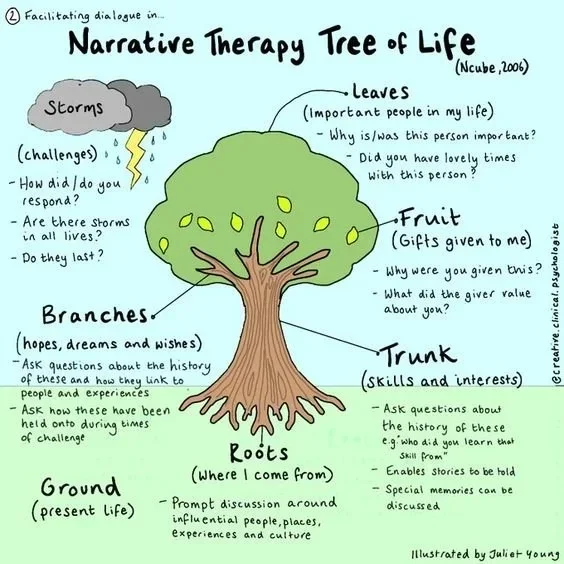
The Power of Narrative Therapy
Narrative therapy focuses on your personal stories and how they shape your experiences. By externalizing problems and re-authoring your life narratives, you can find new perspectives and solutions.

Feelings Wheel: Enhancing Emotional Awareness
The feelings wheel is a simple yet powerful tool that helps you better understand and name your emotions. By exploring feelings beyond the surface, it encourages self-awareness, supports clearer communication, and helps you navigate your emotional experiences with greater clarity and confidence.


Ongoing Areas of Growth
Obsessive-Compulsive Disorder (OCD) is a mental health condition that involves unwanted, intrusive thoughts or fears called obsessions, along with repetitive behaviors or mental rituals called compulsions that are performed to reduce anxiety. These symptoms can interfere with daily functioning, relationships, school, work, and overall well-being.
One of the most effective treatments for OCD is Exposure and Response Prevention (ERP), a form of therapy that helps clients gradually face feared thoughts, situations, or triggers without engaging in compulsions. Over time, ERP teaches clients that anxiety can decrease on its own and that feared outcomes often do not occur.
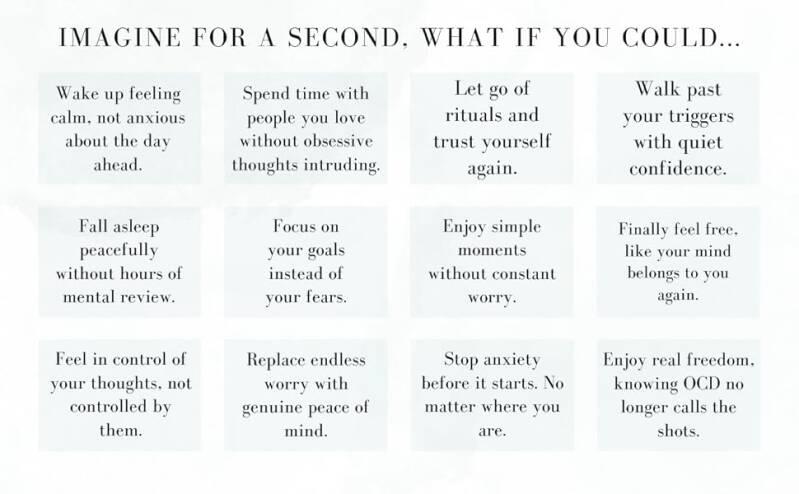

In the field of mental health, ERP is considered a highly effective evidence-based treatment because it helps clients build tolerance for uncertainty, reduce avoidance behaviors, and regain control over their lives.
Create Your Own Website With Webador